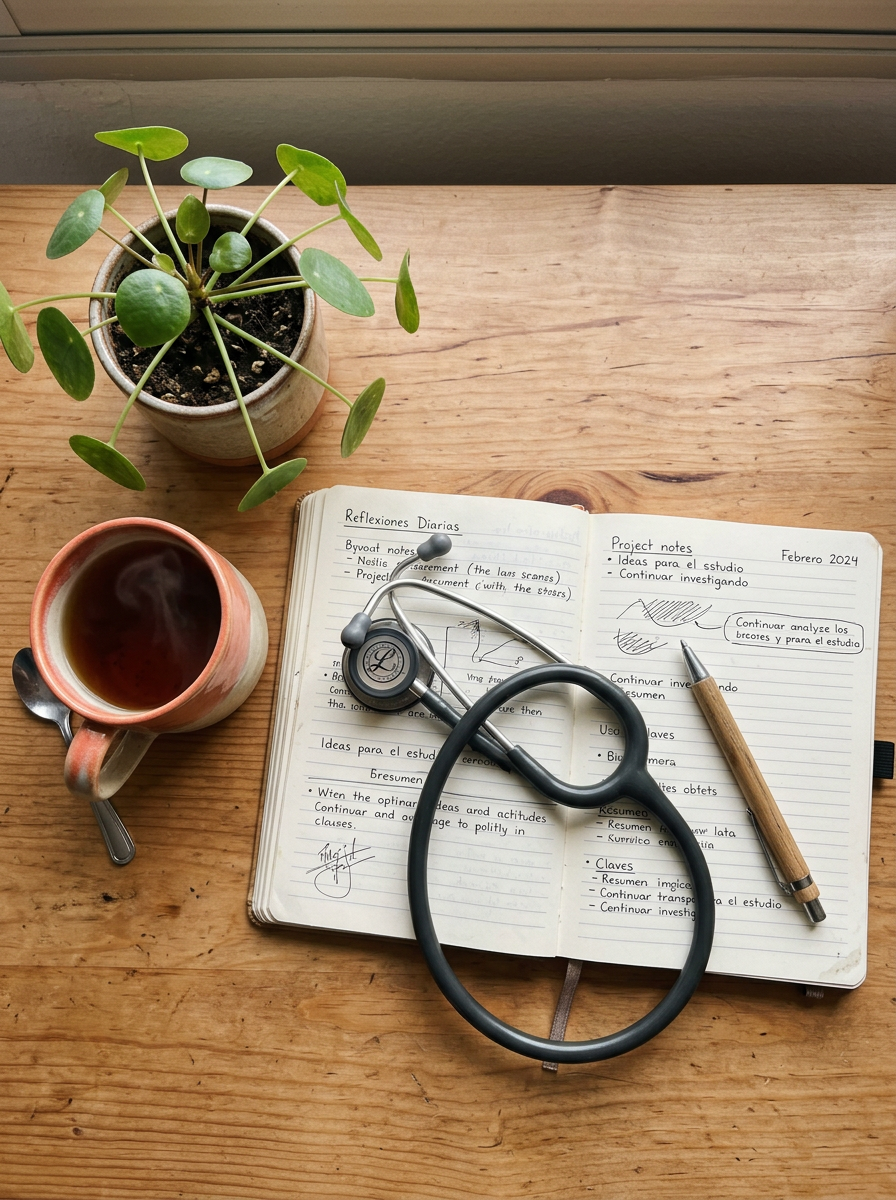
Seen. Heard. Cared For.

CME Enduring Question:  How do culture, gender, and language shape the way people are seen, heard, and cared for?

Exploring how culture, gender, and language shape healthcare experiences. Good healthcare requires listening deeply, honoring individual identities, and breaking communication barriers.

Core areas of focus

Evaluating overlaps from insights on Psychology of Gender, Transcultural Health, and Spanish to demonstrate why equitable care goes beyond treating everyone identically.

Gender and healthcare

Investigating how gender expectations, disparities, and systemic assumptions impact clinical assessments, patient trust, and therapeutic outcomes.

Culture and care

Examining transcultural health concepts, family structures, traditions, and belief systems to deliver respectful, culturally competent medical care.

Language and barriers

Addressing linguistic obstacles with Spanish-language examples, translation nuances, and real-world tools that ensure clear patient comprehension.

Nursing synthesis

Uniting gender, cultural, and linguistic understanding into actionable nursing practices that validate and support every patient.

"Good healthcare is not simply treating everyone the exact same way. It is understanding each person's unique voice, background, and lived experience."

Seen. Heard. Cared For. CME Project Mission

Real voices, real impact

Through qualitative interviews and diverse content exposure, this project captures how clinical encounters feel when communication breaks down and when true understanding occurs.

Understanding the project

What inspired this initiative?

My three IS courses all made me think about people and communication from different perspectives. In Psychology of Gender, I learned about gender roles, stereotypes, and the way society influences how people understand themselves and others. Transcultural Health made me think about how culture affects health beliefs, communication, and a person's experience with healthcare. My Spanish courses have made me more interested in language and how being able to communicate in someone's preferred language can affect their ability to feel understood and included. As a nursing student, I have also seen how important communication is when caring for patients. These classes and experiences made me interested in how culture, gender, and language overlap and influence whether someone feels understood or misunderstood.

Why is treating everyone identically problematic?

Equality treats everyone the same, but equity recognizes distinct cultural values, language needs, and gendered experiences required to feel safe and understood.

How does Spanish language study connect to clinical care?

Language skills open critical communication channels, prevent misunderstandings, and build immediate comfort for Spanish-speaking patients navigating unfamiliar clinical settings.

What research methods are featured?

The site combines academic literature and course content with qualitative interviews, personal reflections, and practical nursing applications.

How can nurses apply these insights daily?

By actively practicing cultural humility, verifying patient understanding, and validating individual gender identities in every healthcare interaction.

Who is this crossover designed for?

Students, practicing clinicians, and anyone interested in advancing empathetic, culturally sensitive healthcare delivery.